


Top 10 Healthiest Cat Foods for Every Age: Complete Guide for Happy, Healthy Cats
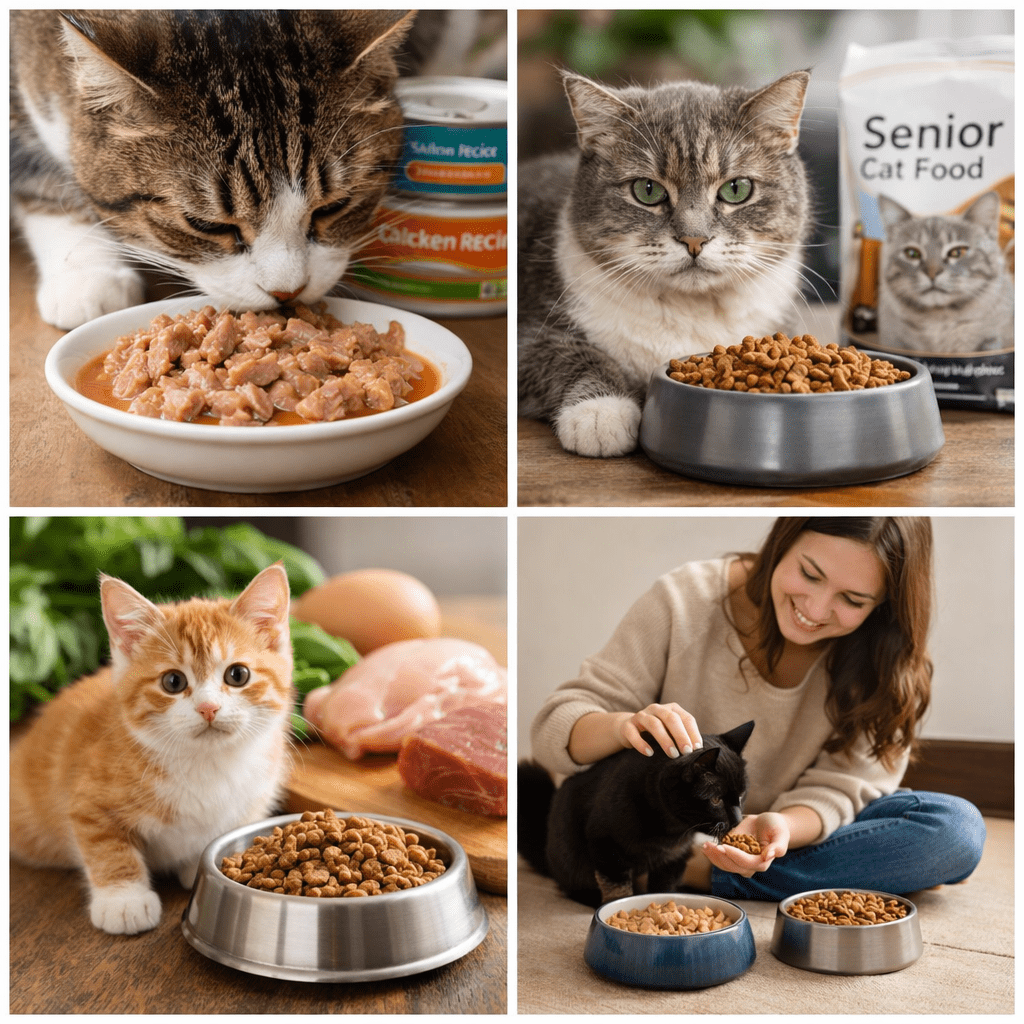
Feeding your cat the right diet is one of the most important responsibilities of pet ownership. If you’re searching for the healthiest cat foods, you’re already taking the first step toward improving your feline’s quality of life. Proper nutrition supports strong muscles, healthy skin and coat, good digestion, and long-term disease prevention. Whether you have a playful kitten, an active adult cat, or a calm senior companion, choosing nutrient-rich food tailored to their life stage is essential. In this complete guide, we’ll break down the top 10 healthiest cat foods, what makes them stand out, and how to choose the best option for your furry friend. Why Choosing the Healthiest Cat Foods Matters Cats are obligate carnivores. This means their bodies are designed to get nutrients primarily from animal protein. Unlike dogs, cats require higher protein levels, taurine, and specific amino acids found in meat. Rover.com explains the importance of protein-rich diets for feline health. A high-quality diet helps: Poor-quality foods filled with fillers, artificial colors, and low-grade meat by-products can lead to obesity, digestive issues, and long-term health complications. What to Look for in Healthy Cat Food Before jumping into the top picks, here’s what defines the healthiest cat foods: 1. Real Meat as the First Ingredient Look for chicken, turkey, salmon, tuna, or beef listed first. 2. High Protein Content Cats thrive on protein. Ideally, dry food should contain 30–40% protein, while wet food naturally offers high protein with added moisture. 3. Moisture Content Wet food helps with hydration and kidney health, especially for indoor and senior cats. 4. No Artificial Additives Avoid artificial flavors, colors, and preservatives. 5. Life-Stage Appropriate Nutrition Kittens, adults, and seniors have different dietary needs. Top 10 Healthiest Cat Foods for Every Life Stage 1. High-Protein Wet Food with Real Tuna & Salmon Wet foods rich in fish protein support hydration and provide omega-3 fatty acids for skin and coat health. These formulas are excellent for adult cats and picky eaters. Best For: Hydration & urinary support 2. Grain-Free Chicken & Turkey Pâté A balanced pâté formula made with real poultry offers easily digestible protein and healthy fats. Grain-free recipes often help cats with food sensitivities. Best For: Sensitive stomachs 3. Indoor Cat Weight-Control Formula Indoor cats burn fewer calories. A healthy indoor formula contains controlled fat levels and added fiber to prevent weight gain. Best For: Indoor and less active cats 4. Premium Kitten Growth Formula Kittens need DHA for brain development and extra protein for growth. A high-quality kitten formula ensures strong bones and muscles during the early months. Best For: Kittens under 12 months 5. Senior Cat Soft Mousse Formula Older cats may struggle with chewing or digestion. Soft mousse textures with balanced minerals support kidney function and make eating easier. Best For: Cats 10+ years old 6. Limited Ingredient Diet (LID) Formula If your cat has allergies, a limited-ingredient formula with a single protein source can reduce digestive upset and skin irritation. Best For: Food sensitivities 7. Fresh or Gently Cooked Cat Food Fresh food options made with human-grade meat and vegetables are becoming popular. They often contain fewer preservatives and higher nutrient retention. Best For: Maximum nutrition 8. Vet-Formulated Digestive Support Food These formulas include probiotics and prebiotics to improve gut health and reduce hairballs. Best For: Digestive issues 9. High-Protein Dry Food for Dental Health Dry kibble can help reduce plaque buildup. Look for formulas with real meat and no corn or wheat fillers. Best For: Dental support 10. Balanced Everyday Adult Formula A well-rounded adult formula with moderate fat, high protein, and essential vitamins is ideal for daily feeding. Best For: General maintenance Wet vs Dry: Which Is Healthier? Many pet owners ask whether wet or dry food is better. The truth is — both can be part of the healthiest cat foods category if chosen carefully. Wet Food Benefits: Dry Food Benefits: Many veterinarians recommend a mixed feeding approach for balanced benefits. Special Considerations for Senior Cats Senior cats require: As cats age, their metabolism slows down. Choosing a healthy senior formula can prevent obesity and kidney strain. Common Mistakes to Avoid Even loving cat parents make these mistakes: Always transition to new food gradually over 7–10 days. How Healthy Food Connects to Overall Cat Care Nutrition is just one part of responsible ownership. Along with feeding the healthiest cat foods, proper grooming, enrichment, and routine vet visits are essential. For a complete guide on grooming, hygiene, and daily wellness routines, check out our detailed guide on Cat Care Tips. Frequently Asked Questions What is the healthiest cat food overall? The healthiest cat foods contain real meat as the first ingredient, high protein levels, essential nutrients like taurine, and no artificial additives. Is grain-free better? Not always. Some cats benefit from grain-free diets, but high-quality grains in moderate amounts are not harmful unless your cat has allergies. Should I feed my cat wet food daily? Yes, especially if your cat doesn’t drink much water. Wet food supports hydration and kidney health. Final Thoughts Choosing the healthiest cat foods is one of the best investments you can make in your cat’s future. High-quality protein, proper hydration, and life-stage-appropriate nutrition can significantly improve your cat’s energy levels, coat shine, digestion, and overall longevity. By combining smart feeding choices with regular veterinary care and practical Cat Care Tips, you’re setting your feline companion up for a long, happy, and healthy life.