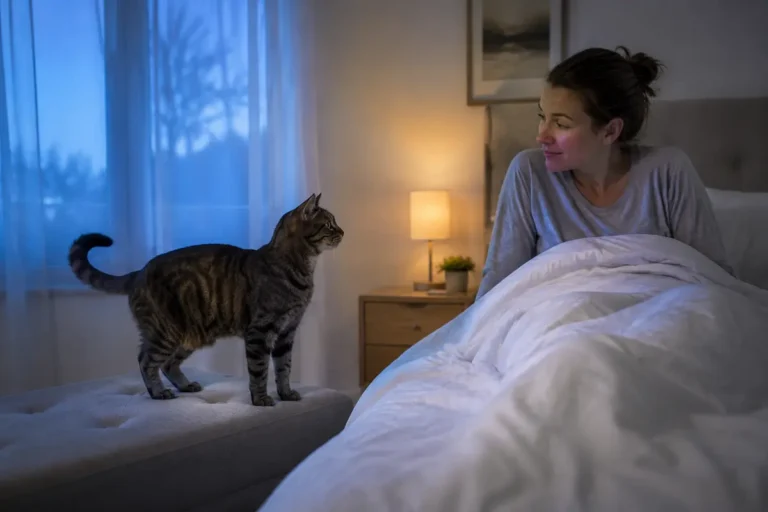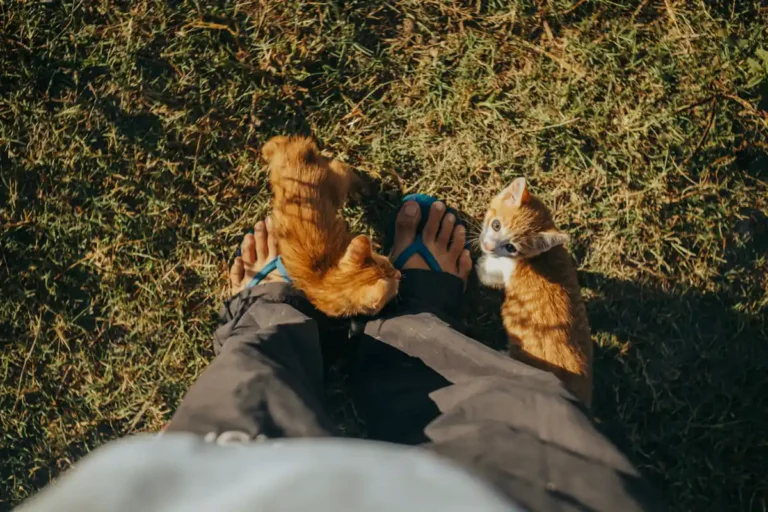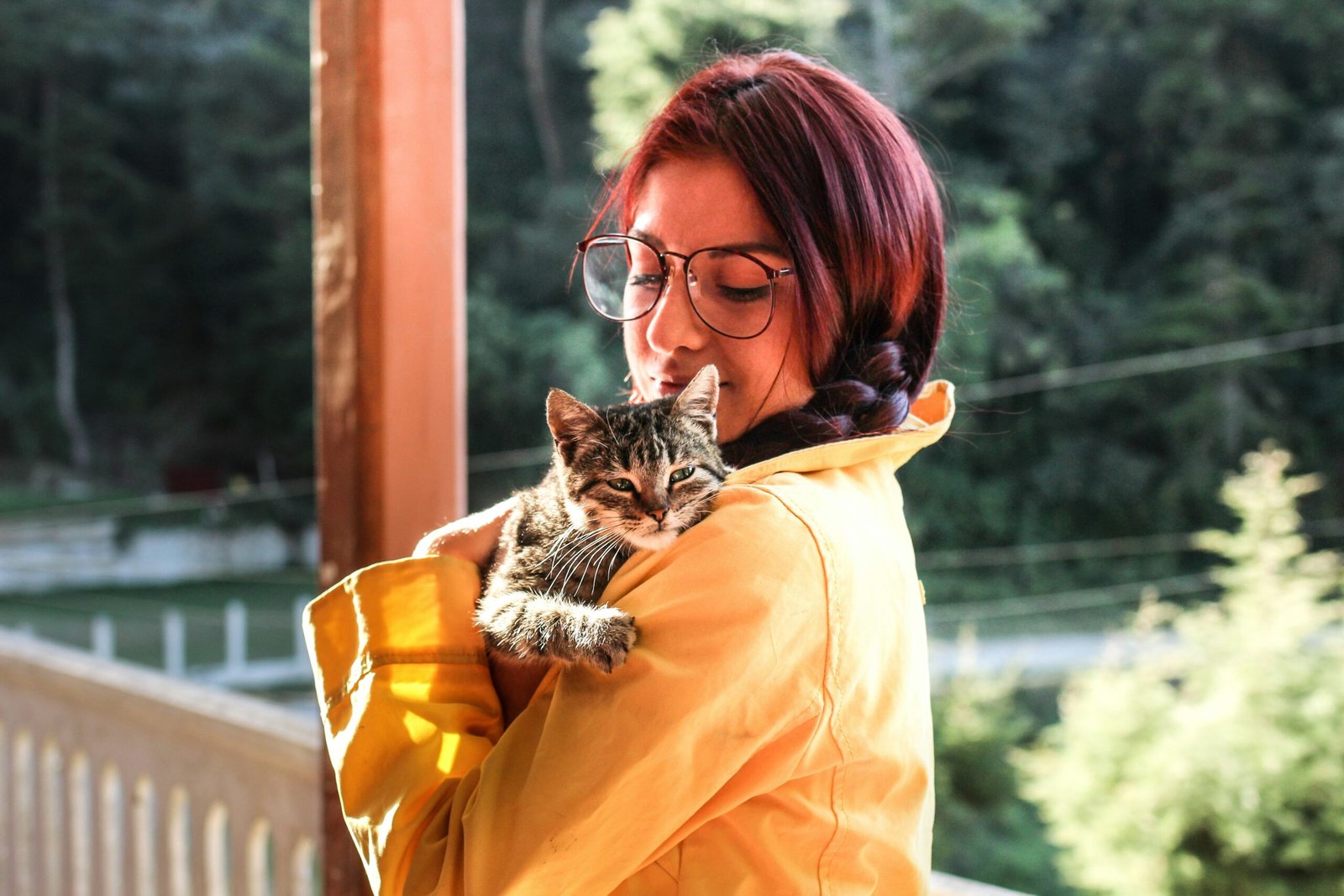

You shake the treat jar and your cat appears before the lid is fully open. Call the same cat by name five minutes later, though, and you may get nothing but a slow blink. That contrast is useful: it shows your cat can learn that a sound predicts something worthwhile.
Learning how to train a cat to come when called is about building a positive association, not demanding obedience. This guide shows you how to choose a cue, reward early responses, and add distance and distractions without frightening or forcing your cat.
Quick Answer
Choose one short recall cue, say it once when your cat is nearby, and immediately reward any movement toward you. Practice for one or two minutes in a quiet room, then gradually add distance and mild distractions. Use valuable rewards, never punish a missed response, and keep physical safety measures in place because recall is never guaranteed.
QUICK NAVIGATION In This Article
Why Teaching Your Cat to Come Is Useful
It can support safety, but it should not replace secure doors, screens, carriers, microchipping, or supervised outdoor access. A cat who responds perfectly in the kitchen may ignore the cue when frightened, chasing an animal, or exploring an unfamiliar place. Treat recall as a helpful trained behavior, not an emergency guarantee.
Cats learn patterns involving our voices and routines. If you are also trying to understand why cats meow when their owners leave the room, recall practice can support more predictable communication.
What You Need Before Starting
- A quiet indoor room: begin where your cat already feels safe.
- A unique cue: “Here,” “come,” or “this way” works better than a phrase used constantly.
- Small rewards: use tiny pieces of a food your cat enjoys, or play and petting if those are more motivating.
- An optional marker: a clicker or a brief word such as “yes” can identify the exact moment your cat responds.
- A calm minute or two: stop while your cat is still interested.
Rewards should be small enough that several repetitions do not replace a balanced meal. If your cat has dietary restrictions, ask your veterinarian which reward is appropriate, or use a portion of the cat’s usual food. The AAHA guide to cat training also recommends finding what the individual cat values most, which may be food, play, brushing, or social contact.
How Cats Learn a Recall Cue
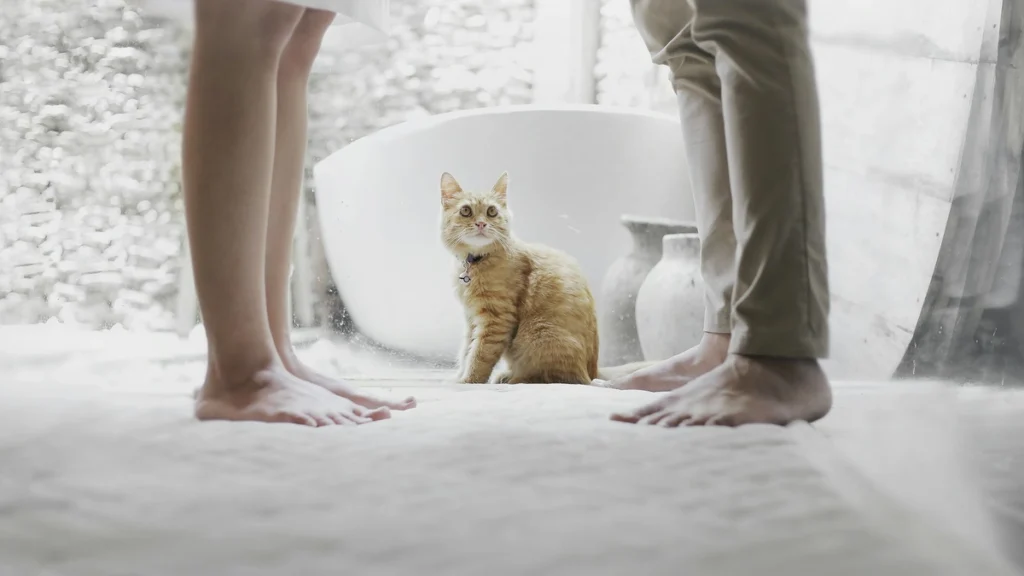
If a sound is repeatedly followed by something pleasant, that sound begins to matter. This is why a cat may recognize a food container opening before learning “come.”
Your recall cue should happen before the reward appears. Otherwise, the rustle of the treat bag—not your voice—becomes the meaningful signal. A marker word or click can bridge the short gap between the correct action and the reward. The Feline Veterinary Medical Association’s positive-reinforcement guidance explains how a conditioned marker can identify the precise behavior being rewarded.
Keep the process voluntary. Ears turned sideways, a tucked posture, tail lashing, hiding, freezing, or repeatedly walking away can mean the session is too difficult or the cat needs space. Pause and try an easier setup later.
How to Train a Cat to Come When Called Step by Step
1. Choose One Distinct Recall Cue
Pick a short word or phrase that everyone in the home can say the same way. A separate cue is often clearer than the cat’s name because names are used in many unrelated situations. The American Veterinary Society of Animal Behavior’s recall exercise similarly suggests choosing a word reserved for this purpose.
Say the cue in a warm, normal voice. Do not shout, sing it repeatedly, or keep changing the phrase.
2. Make the Cue Predict Something Good
Stand near your relaxed cat. Say the cue once, then immediately deliver a tiny reward. At this stage, the cat does not need to walk anywhere. You are simply teaching that the sound has value.
Repeat three to five times, then stop. One or two short sessions are more useful than a long session that ends with the cat bored or full.
3. Reward the First Movement Toward You
Move only a step or two away. Say the cue once. If your cat turns their head, shifts weight, or takes a step toward you, mark that response with “yes” or a click and offer the reward near your body.
Rewarding the first small movement gives your cat a clear route to the finished behavior. Once the cat walks all the way to you, reward on arrival.

4. Give the Cue Only Once
If your cat does not respond, avoid “Come, come, come!” Repetition can teach that the first cue is irrelevant. Wait, reset, move closer, reduce distractions, or use a better reward on the next attempt.
Never chase, pick up, or corner the cat after a missed response. That changes the emotional meaning of the exercise and may make the cat avoid you.
5. Increase Distance Gradually
Once your cat responds from a few feet away, add one or two more steps. Next, practice from across the same room. Later, call from an open doorway where the cat can still see you.
Change only one difficulty at a time. If you increase distance, keep the room quiet. If you introduce a distraction, shorten the distance again.

6. Add Mild, Controlled Distractions
Practice while a toy lies still across the room, while a family member sits quietly nearby, or when another calm cat is resting at a distance. Give a higher-value reward when your cat leaves a distraction and comes to you.
Do not test recall during frightening noise, pet conflict, or an unsafe door-opening situation. Arrange training for success.
7. Keep Paying for Strong Responses
When recall is reliable indoors, vary the reward. Offer one treat, a short play session, or occasionally several tiny treats for an excellent response.
Do not remove rewards completely. A behavior that is never worthwhile tends to weaken. Continue an easy practice call several times a week.
A Realistic Seven-Day Starter Plan
| Day | Goal | Practice |
|---|---|---|
| 1 | Build value for the cue | Say the cue, then reward; 3–5 repetitions. |
| 2 | Notice and turn | Reward a head turn or body shift from one step away. |
| 3 | Take a few steps | Call from 3–5 feet in the same quiet room. |
| 4 | Cross the room | Add distance only if the short response is consistent. |
| 5 | Use an open doorway | Call while your cat can still see you. |
| 6 | Add one mild distraction | Shorten distance and reward generously. |
| 7 | Mix easy and moderate calls | End with a simple success and a favorite reward. |
Stay on a day for longer if your cat needs it. The table is a progression guide, not a deadline.
How Long Does Cat Recall Training Take?
Some cats turn toward a new cue after a few sessions; responding from another room or around distractions usually takes longer. Health, confidence, reward preference, and environment all affect progress.
Look for quicker ear turns, more first-step responses, and success at greater distances. Reliability in one room does not automatically transfer to the whole house or outdoors.
Common Recall-Training Mistakes
- Calling for unpleasant events: do not use the recall cue only before nail trims, medication, or leaving the house.
- Showing the reward first: the cat may follow the food rather than learn the verbal cue.
- Progressing too quickly: distance and distractions should rise separately.
- Training when the cat is stressed or sleepy: choose a naturally alert, comfortable moment.
- Using punishment: shouting, spraying water, scruffing, or restraint damages trust and does not teach the desired response.
- Expecting a dog-like response every time: feline motivation and context can vary from one moment to another.
Troubleshooting When Your Cat Does Not Come
Your Cat Looks at You but Stays Put
The cue has gained attention, but the reward may not justify the effort. Move closer, reward one step, and try a different reinforcer.
Your Cat Responds Only to the Treat Bag
Prepare treats out of sight before training. Say the recall cue first, mark the response, then reach for the reward. Over several sessions, your voice should become the earliest predictor of reinforcement.
Your Cat Comes in the Kitchen but Nowhere Else
Cats do not always generalize a learned behavior. Practice in a second quiet room at short range, as though the skill is partly new. Add hallways and doorways later.
Your Cat Leaves to Scratch or Play
Meet the underlying need rather than treating normal behavior as defiance. Provide suitable play and scratching opportunities, then train at a calmer time. If scratching near an exit is the bigger problem, this guide to stopping a cat from scratching carpet at the door addresses that behavior directly.
Adjusting Recall Training for Different Cats
Kittens
Use very short sessions and expect attention to shift quickly. Reward one or two successful responses, then let the kitten play. Keep treats tiny and protect the kitten’s regular nutrition.
Adult Cats
Adults can learn recall without previous formal training. Identify what the cat values and build the behavior in small stages.
Senior Cats
Train on non-slip flooring and avoid making an older cat cross stairs or jump. Hearing, vision, mobility, and cognitive changes can affect responses, so mention any new difficulty to your veterinarian.
Shy or Newly Adopted Cats
Begin after the cat feels safe enough to approach voluntarily. Sit sideways, avoid leaning over them, and reward a glance or small step. Never pull a hiding cat into training.
Multi-Cat Homes
Teach each cat separately at first. Use different cues if names sound similar, and deliver rewards so one cat cannot crowd or steal from another. Later, practice with the second cat calmly present at a distance.
When to Pause and Get Professional Help
Stop training if your cat appears frightened, becomes aggressive, pants, freezes, hides, or repeatedly tries to escape. A sudden loss of responsiveness, appetite changes, confusion, reduced movement, unusual vocalization, aggression, or litter-box changes can be associated with pain, stress, or illness and should be discussed with a veterinarian.
Cats Protection’s behavior guidance advises veterinary assessment when behavior changes suddenly and recommends avoiding punishment. If medical causes are excluded but the problem remains complex—or people or animals could be hurt—ask your veterinarian for a referral to a qualified feline behavior professional.
Frequently Asked Questions
Can cats really be trained to come when called?
Yes. Cats can learn that a consistent cue predicts a valued reward and that approaching you produces that reward. Start close, reinforce voluntary movement, and increase difficulty gradually. The response may vary with motivation and distractions, so even a well-trained recall should not replace secure doors, carriers, or other physical safety measures.
Should I use my cat’s name or the word “come”?
Either can work, but a unique phrase is often clearer because a cat’s name is used in many situations. Choose one short cue, use it consistently, and reserve it for moments when you are ready to reward a response.
Can I train my cat to come without treats?
Yes, if your cat values play, brushing, or affectionate contact. Food is convenient but not the only reinforcer. Begin with the strongest safe reward, then vary rewards after recall is established. Never withhold regular meals to increase motivation.
Why does my cat ignore me after learning the cue?
The environment may be harder, the reward may have lost value, or the cat may be tired, stressed, or uncomfortable. Return to a shorter distance in a quiet room and reward generously. If responsiveness changes suddenly or appears alongside appetite, mobility, mood, or litter-box changes, pause training and contact your veterinarian rather than assuming disobedience.
Can an older cat learn recall?
Yes, many older cats can learn new associations. Use non-slip surfaces, short distances, and rewards that fit the cat’s health needs. Adapt the cue if hearing is reduced and avoid asking for stairs or jumping. A new difficulty responding, moving, seeing, or hearing deserves veterinary attention so training can be adjusted safely.
Will indoor recall work if my cat escapes outside?
It may help, but it cannot be relied upon. Fear, prey, traffic, unfamiliar smells, and open space can overwhelm a cue learned indoors. Keep identification current and use secure doors, screens, carriers, and supervised outdoor options. If a cat gets loose, avoid chasing or shouting; use a familiar calm voice and high-value rewards while following local lost-cat guidance.
Build a Recall Your Cat Wants to Answer
The most effective way to learn how to train a cat to come when called is to make the answer worthwhile. Use one clear cue, begin at an easy distance, reward the smallest correct response, and add new challenges slowly. A missed call is feedback about the setup—not a reason to punish your cat.
Keep sessions brief, protect your cat’s sense of choice, and continue rewarding good responses after the first week. Even if progress is gradual, each successful approach strengthens a useful line of communication between you and your cat.
Educational Safety Disclaimer:
This article provides general educational information and does not diagnose medical or behavioral conditions. Contact a veterinarian about sudden or concerning changes. For complex behavior or safety risks, seek a qualified feline behavior professional through your veterinarian.