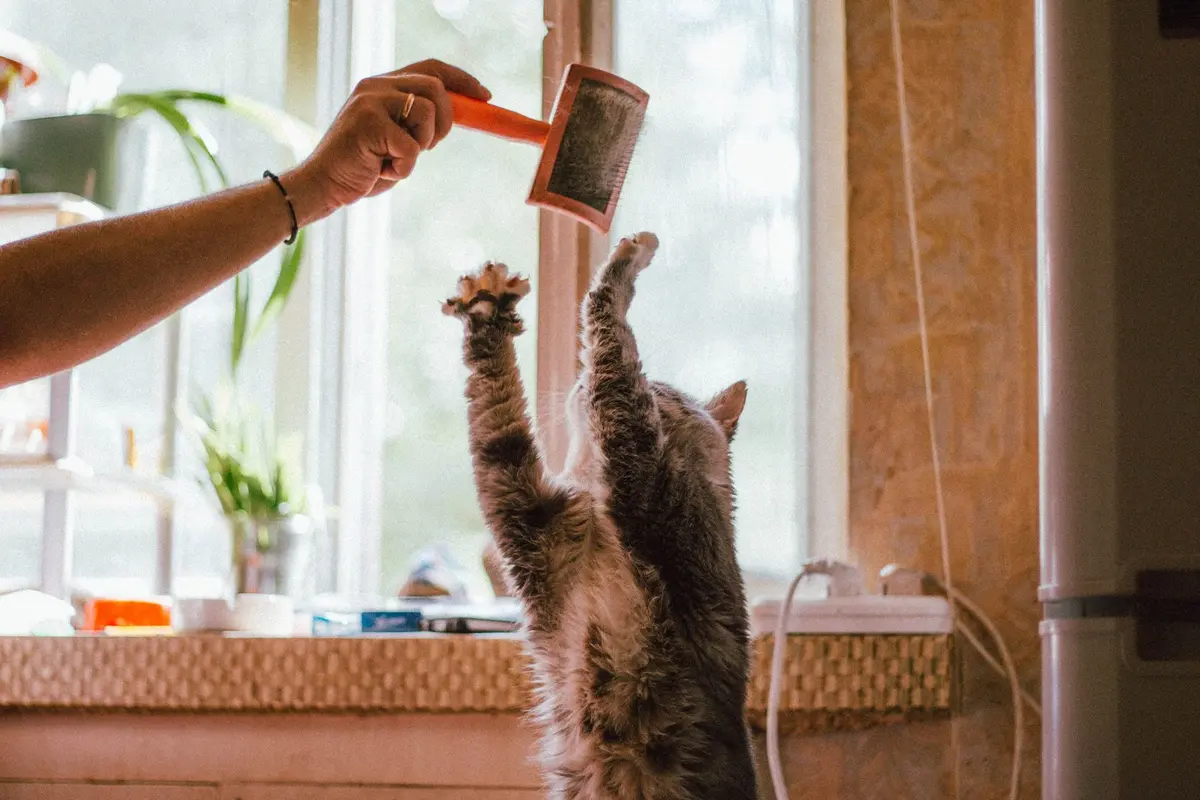

The brush appears. Your cat spots it from across the room and immediately develops an urgent appointment beneath the sofa. If you are trying to learn how to brush a cat that hates being brushed, the goal is not to become faster at catching them. It is to discover what makes brushing unpleasant and rebuild the experience in tiny, tolerable pieces.
Some cats dislike the tool. Others dislike being held, find repeated strokes overstimulating or remember a painful snag. Sudden resistance can also signal sore skin, mats or discomfort elsewhere in the body. This guide will help you separate those possibilities, choose a gentler setup and teach brushing without turning two minutes of coat care into a spicy little blender of paws.
Quick answer: Start when your cat is relaxed, let them investigate the brush and reward calm interest. Touch a comfortable area with the back of the brush, then try one gentle stroke in the direction of hair growth. Stop before tail flicking, skin twitching or escape attempts escalate. Add strokes gradually across separate sessions, never by restraint or punishment.
QUICK NAVIGATION In This Article
Why does your cat hate being brushed?
“Hates brushing” describes the reaction, not the cause. Finding the cause matters because a different brush will not solve painful skin, and a handful of treats will not make a tight mat comfortable.
The brush feels wrong
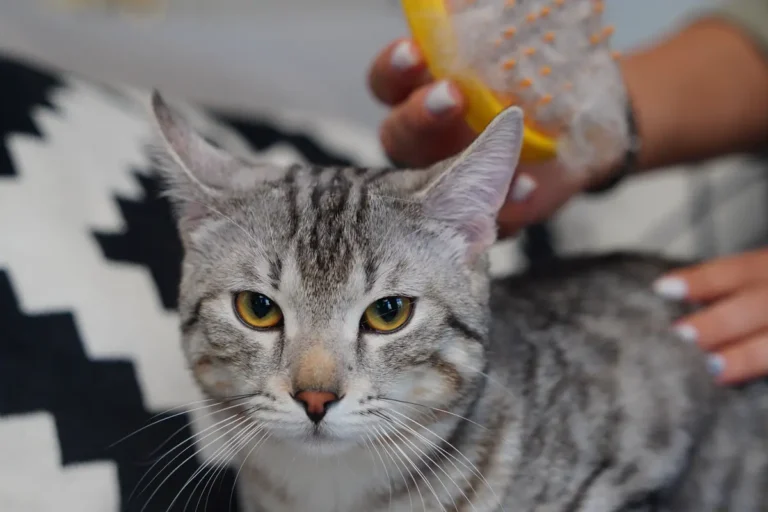
Stiff pins, sharp tips or heavy pressure can make grooming scratchy rather than soothing. A tool that glides through one coat may drag through another. Dense long hair often needs a comb-and-brush combination; a sleek short coat may need only a soft bristle brush or rubber grooming mitt.
Test the tool lightly against the inside of your forearm. This does not duplicate feline skin, but it can reveal obviously sharp edges, bent pins or a rough handle. Check the brush frequently for damage and packed-in hair.
Brushing has predicted pulling or restraint
One snag can change the mood. If previous sessions involved chasing, holding tightly or continuing after warnings, the brush may now predict loss of control. Your cat is not being spiteful. They are trying to prevent the experience they expect.
That association can be changed, but only if the new sessions feel genuinely different. Showing the brush and then forcing ten strokes teaches the old lesson again.
Repeated touch becomes overstimulating
A cat may enjoy three strokes and object to the fourth. Watch the whole body rather than waiting for a hiss. The RSPCA’s guide to cat body language and emotional state highlights changes in posture, eyes, ears and tail that help distinguish relaxation from worry or anger.
Early “finished now” signals can include:
- a tail-tip twitch that becomes sharper;
- skin rippling beneath the brush;
- ears rotating sideways or back;
- the head turning repeatedly towards your hand;
- the body becoming lower or more rigid; and
- suddenly refusing treats or moving away.
A swat is usually late punctuation. Aim to stop at the comma.
A mat, skin problem or sore joint hurts
Brushing should not be used to push through pain. A mat pulls on skin, and an apparently fluffy coat can hide dense knots near the base. Arthritis, a wound, parasites or inflamed skin may also make handling uncomfortable. Cornell’s overview of feline skin diseases and warning signs includes excessive scratching, redness, swelling, hair loss, scaling and bumps among changes that merit veterinary assessment.
If your cat previously accepted brushing and suddenly objects—especially in one location—pause the grooming plan and arrange a veterinary check.
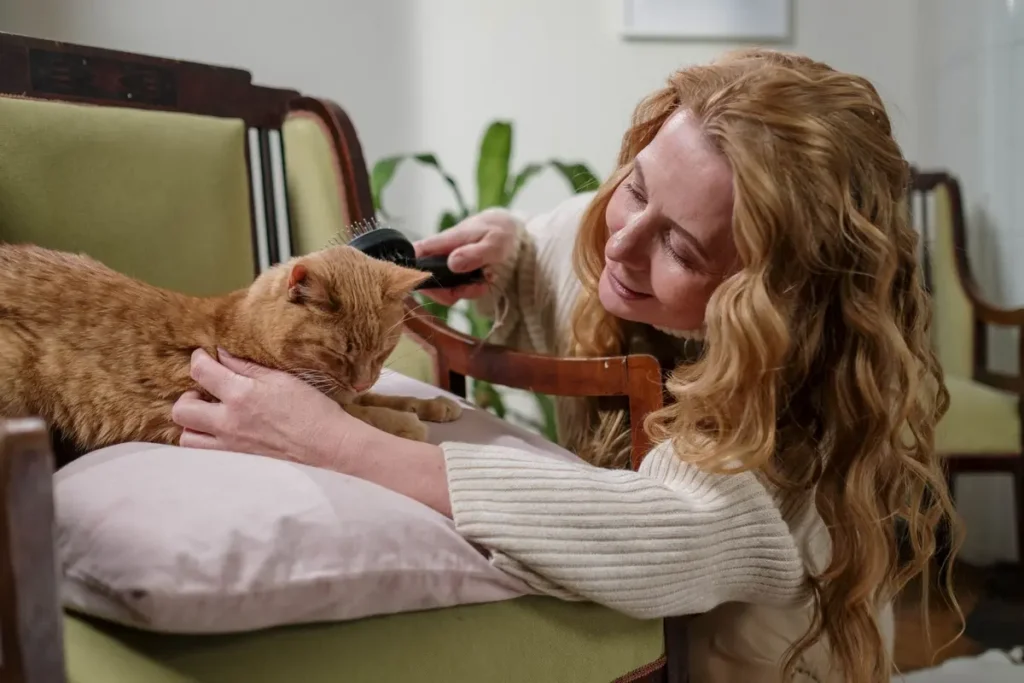
How to brush a cat that hates being brushed: the calm reset
The reset is deliberately slow. You may spend several sessions without brushing any fur. That is progress if the brush stops predicting a battle.
Step 1: Check the coat before choosing the session
Use your hands first, during ordinary petting. Without pulling, feel for knots, greasy patches, scabs, heat, swelling or areas that make your cat flinch. Look for dandruff, fleas or broken skin in good light.
Do not comb a tight mat to “see if it comes out.” If you cannot separate a knot gently with your fingers, or it sits close to the skin, ask a cat-experienced groomer or veterinarian for help. Cat skin can fold into a mat, making household scissors especially dangerous.
Step 2: Pick the easiest moment and place
Choose a familiar, non-slip surface when your cat is awake but settled—not during zoomies, not immediately after a scare and not while another pet is hovering. Keep an escape route open. A cat who knows they can leave often has less reason to fight.
Place the brush, a few tiny high-value treats and a towel for collecting loose hair within reach. The towel is for the surface, not for wrapping an unwilling cat.
Step 3: Make the brush boring
Set the brush on the floor at a comfortable distance. If your cat looks at it, approaches or sniffs it without tension, place a treat nearby. Do not push the tool towards their face.
Repeat this until the brush can appear without triggering retreat. For a very wary cat, that may take several brief sessions. End after a small success and put the brush away.
Step 4: Introduce touch without bristles
During relaxed petting, touch the cat’s shoulder for one second with the smooth back or handle of the brush. Remove it, then reward. Start around the cheeks, neck or shoulders only if those are areas your cat already enjoys having touched.
If the body stiffens, go back to simply showing the brush. Training works below the point of panic, not in the middle of it.
Step 5: Try one real stroke
Angle the brush so it follows the coat rather than digging towards the skin. Make one light stroke in the direction of hair growth, lift the brush away and offer a reward. Then finish.
Yes, one stroke can be the whole session. The lesson is: “This sensation was brief, predictable and followed by something good.” That lesson is more useful than a completed back and an angry cat.
Step 6: Add strokes, not minutes
When one stroke produces loose posture and continued interest, try two at the next session. Pause between strokes. Increase only while the cat remains comfortable; drop back if the tail speeds up or the body tightens.
Work from favoured zones towards more sensitive ones over days or weeks. Many cats tolerate shoulders and sides before legs, belly, hindquarters or tail. Some may never accept every area at home, and professional help is a sensible care plan—not a defeat.
Step 7: Finish with a predictable release
Use a quiet phrase such as “all done,” place a treat away from the grooming spot and let your cat leave. Never use the release treat to lure them back for a surprise extra stroke.
Short, regular sessions are generally kinder than occasional marathons. The RSPCA’s cat grooming guidance likewise recommends brief sessions, positive associations and ending when twitching, tail swishing, growling or hissing appears.
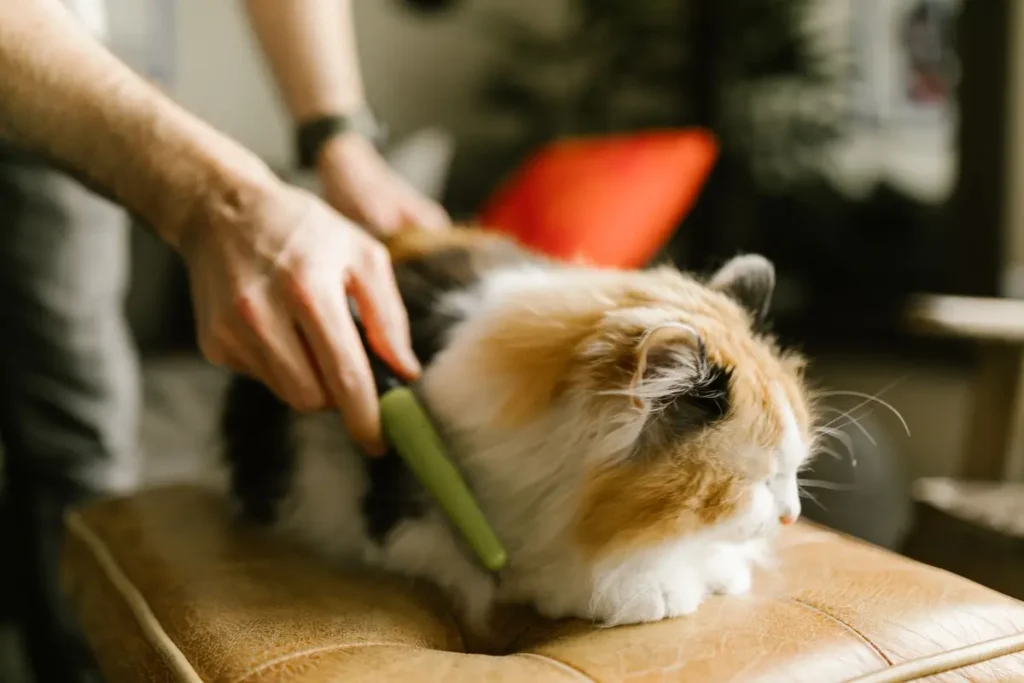
Which grooming tool should you try?
| Tool | Often useful for | Main advantage | Use with care |
| Soft bristle brush | Short coats and sensitive beginners | Gentle surface grooming | May not reach loose undercoat or hidden tangles |
| Rubber grooming mitt | Cats comfortable with hand-like touch | Collects loose surface hair | Stop if the rubber drags or creates static |
| Rounded-pin slicker | Medium or long coats with loose hair | Separates and lifts coat | Use light pressure; avoid repeated scraping over one spot |
| Stainless-steel comb | Long coats and checking for small tangles | Reveals snags closer to the skin | Never yank when the comb stops |
| Deshedding tool | Selected dense coats during heavy shedding | Removes substantial loose undercoat | Easy to overuse; confirm suitability with a groomer or vet |
| Mat splitter or clippers | Established mats | Can remove painful matting | Blades and cat skin are a risky combination; professional use is safest |
There is no universally “best” brush. Choose for the coat in front of you, not the most dramatic amount of hair shown in an advertisement. If loose hair is also decorating your wardrobe, MeowTips’ guide to getting cat hair off black clothes offers practical laundry and storage fixes without turning brushing into a fur-removal quota.
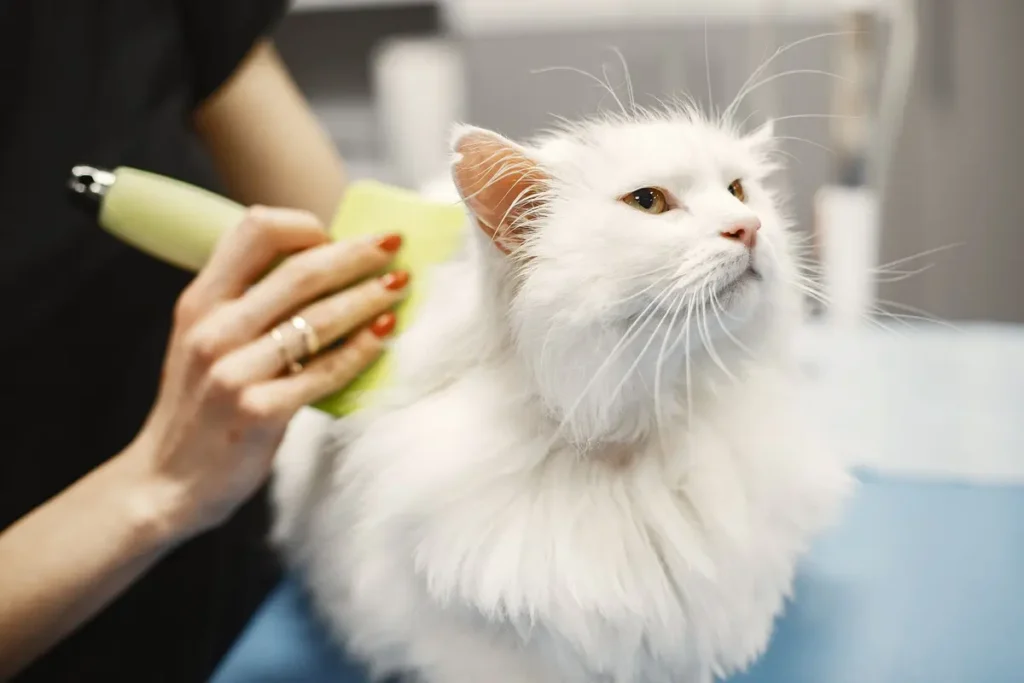
What owners should avoid during grooming
- Do not chase the cat with the brush. The chase makes the tool more threatening and removes choice before grooming begins.
- Do not pin, scruff or punish. Fear may suppress movement briefly, but it does not teach calm acceptance and can increase defensive aggression.
- Do not keep brushing through warnings. Tail lashes, flattened ears, growling and escape attempts mean the session has already gone too far.
- Do not brush through a tight mat. Pulling can be painful and may damage the skin beneath it.
- Do not slide scissors under mats. Thin, mobile cat skin can be drawn into the knot and cut accidentally.
- Do not begin with the belly or hind legs. Start where your individual cat already welcomes touch.
- Do not hide prolonged grooming inside mealtime. A lickable treat can reward a brief stroke, but food should not become cover for ignoring distress.
- Do not apply human detanglers, oils or scented sprays. Cats groom products from their coats; use only feline-appropriate products recommended for the situation.
- Do not assume more shedding means more force is needed. Gentle, repeated maintenance is safer than scraping aggressively for a huge pile of hair.
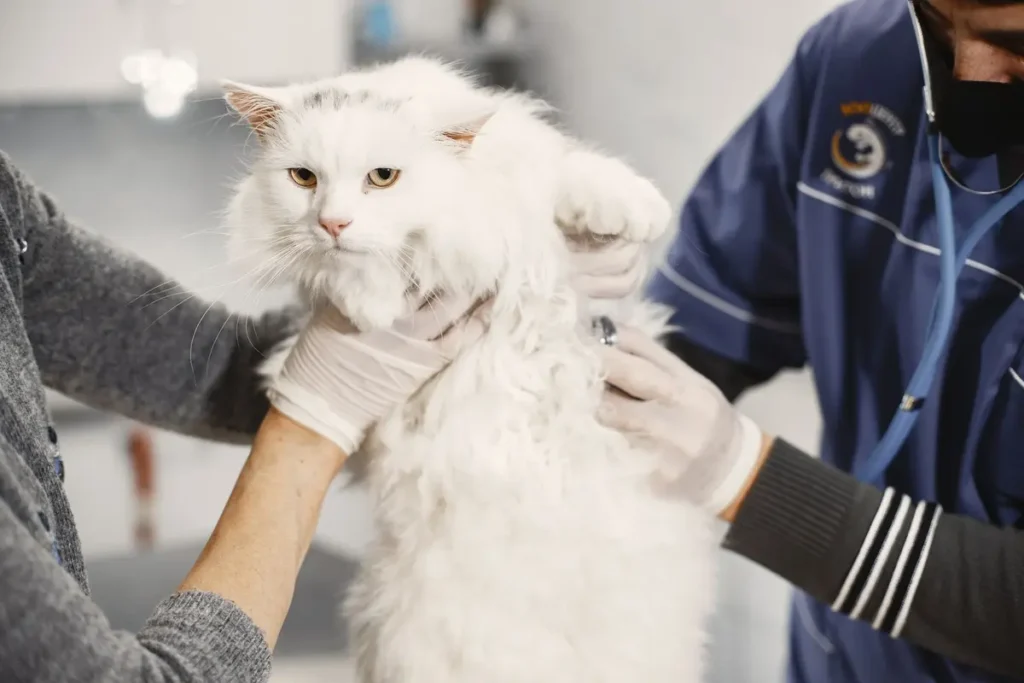
When Grooming Issues Need Attention
Some coat changes belong in the clinic, not in a longer brushing session. Contact your veterinarian if grooming resistance begins suddenly, is focused on one body area or accompanies:
- bald patches, thinning fur or broken hairs;
- repeated scratching, biting or overgrooming;
- redness, swelling, scabs, sores, discharge or odour;
- heavy flakes, greasy coat or a major texture change;
- fleas, suspected mites or circular areas of hair loss;
- widespread or skin-tight matting;
- reluctance to jump, stiffness or sensitivity over the back and hips;
- reduced self-grooming, weight change or unusual tiredness; or
- defensive behaviour whenever a previously comfortable area is touched.
Normal shedding varies with coat, indoor climate and season, but it should not create bare or inflamed skin. MeowTips’ explanation of dandruff on a cat’s back covers flakes, reduced grooming and the warning signs that call for veterinary advice.
For urgent mat removal, an elderly or medically fragile cat, or a cat who cannot be handled without panic, ask your veterinarian about the safest plan. Medication or sedation should only be prescribed and supervised by a veterinary professional; never give a cat a human sedative or leftover medication.
Frequently asked questions
Why does my cat attack the brush?
Your cat may attack the brush because it predicts pain, restraint, overstimulation or unwanted play. Stop waving it like prey, check the coat and skin for tender areas, then reintroduce the stationary brush at a distance with rewards. If the reaction is sudden or tied to one body part, arrange a veterinary examination before continuing.
What is the best brush for a cat that hates brushing?
A soft bristle brush or flexible rubber grooming mitt is often the gentlest starting tool, but coat type determines the best choice. Long hair may still require a rounded-pin slicker and metal comb. Test for sharp edges, use almost no pressure and change tools if the cat reacts consistently to the sensation rather than the brush’s appearance.
How often should I brush a cat that dislikes grooming?
Practise very short sessions several times a week, but base actual coat care on hair length, density, age and matting risk. A long-haired cat may require daily attention once comfortable, while many short-haired cats need less. During retraining, one calm stroke is better than a forced full session. Ask a groomer for an individual schedule.
Can I give my cat a sedative before brushing?
Only give calming medication that a veterinarian has prescribed specifically for your cat and this situation. Human medicines, another pet’s prescription and over-the-counter “natural” sedatives can be unsafe. If routine brushing cannot be completed without panic—or mats need urgent removal—contact your clinic to discuss professional grooming, examination and appropriate handling support.
Calm cooperation is the real grooming win
Learning how to brush a cat that hates being brushed changes the definition of success. The prize is not the largest possible cloud of removed fur. It is a cat who can see the brush, understand what happens next and remain comfortable enough to participate.
Start with the coat and health check. Use the gentlest suitable tool, reward one calm stroke and finish before the warnings become claws. Progress may look comically small at first, but trust built one stroke at a time is far easier to maintain than trust repaired after another wrestling match.
Does your cat flee at the sight of a brush, bite the bristles or dramatically tolerate exactly three strokes? Share their grooming quirk—and any gentle method that has helped—in the comments.
Safety disclaimer: This article provides general educational guidance and does not diagnose skin, coat, pain or behavioural conditions. Stop if your cat appears distressed or painful. Seek advice from a veterinarian or qualified cat-experienced groomer for sudden sensitivity, skin changes, significant matting or unsafe handling.