
You are stroking your cat when tiny white flakes catch the light along their spine. They may look like crumbs, dust or even flea eggs. Naturally, your next thought is: why does my cat have dandruff on its back? A few flakes can appear as skin cells shed, but repeated or heavy flaking may point to dry air, missed grooming, parasites, irritation or another health issue.
The location offers a clue. Older, stiff or overweight cats may struggle to groom the middle and lower back, while flea irritation often affects the tail base. Neither possibility makes every flake an emergency, but both justify a closer look.
Quick answer: If you are asking why does my cat have dandruff on its back, dry air, reduced grooming, fleas, mites, allergies, infection, diet problems or illness may be involved. Check for itching, redness, hair loss and dark flea debris. Persistent, widespread or uncomfortable flaking should be assessed by a veterinarian.
QUICK NAVIGATION In This Article
What Does Cat Dandruff Look Like?
Cat dandruff consists of visible flakes of shed skin caught in the coat. They are usually white or pale grey, irregular in shape and more obvious on dark fur. You may find them along the spine, around the tail base, on bedding or on the brush after grooming.
Dandruff is not the same as dander. Dander is made up of microscopic skin particles that all cats naturally shed; it is a common trigger for human allergies. Dandruff is large enough to see.
It is also worth checking that the flakes are not flea debris:
| What you notice | What it may suggest | Sensible next step |
| A few loose white flakes, no itching or redness | Normal shedding or mild dryness | Monitor and brush gently |
| Many white flakes with a dull or greasy coat | Reduced grooming or a skin problem | Arrange a routine vet appointment if it persists |
| Black, pepper-like specks near the lower back or tail | Flea dirt may be present | Ask your vet about cat-safe flea control |
| Flakes with redness, scabs, bald patches or constant scratching | Parasites, allergy or infection are possible | Contact your vet promptly |
| Moving flakes or intense itch affecting more than one pet | Mites may be possible | Separate grooming tools and call your vet |
Do not rely on colour alone to diagnose the problem. A veterinarian may need to examine hairs and skin cells or check for parasites, fungal infection and inflammation.
Why Does My Cat Have Dandruff on Its Back? 7 Possible Causes
1. Dry indoor air
Heating in a cold US or Canadian winter can leave indoor air very dry. Air conditioning can have a similar effect during hot weather in Australia or the southern United States. Some cats develop mild flaking when humidity drops, particularly if their skin is already sensitive.
Dry air is more plausible when there are only a few flakes, the skin looks calm, your cat is not scratching and the problem changes with the season. It should not be used to explain severe scaling, sores or hair loss.
2. Your cat is not reaching the area while grooming
The back may be visible to you precisely because your cat is not cleaning it effectively. Cats can lose flexibility due to ageing, arthritis, injury or pain. Cats carrying excess weight may also struggle to bend far enough to groom their lower back.
Look beyond the flakes. Does the coat feel greasy or clumped? Is your cat reluctant to jump, slow on stairs or sensitive when you touch their hips? Those observations matter. PDSA’s guidance on dandruff in cats lists pain, stiffness and excess weight among reasons a cat may not groom properly.
3. Fleas or flea-allergy dermatitis
Fleas often cause irritation around the neck, lower back and tail base. A sensitive cat can react strongly to bites, even when you never spot a live flea. They may scratch, twitch their skin, chew at the back, overgroom or develop small crusty bumps and thinning fur.
Flea dirt is dark rather than white and resembles ground pepper. If you see black specks, collect a few with a flea comb and show your vet. Use only parasite products labelled for cats and recommended for your cat’s age and weight. A dog flea product is not a safe substitute.
4. Mites or other parasites
Some mites cause heavy scaling and itching. Cheyletiella mites are sometimes nicknamed “walking dandruff” because flakes may appear to move as mites travel beneath them. Other parasites can also irritate the skin and change the coat.
You cannot confirm mites just by looking at a photograph online. Your vet may use coat brushings, sticky-tape samples or a skin scraping. If more than one pet is itchy, or people in the household develop an unexplained rash, mention that when you call the clinic.
5. Allergies, irritation or skin infection
Feline skin can react to flea bites, environmental allergens or, less commonly, ingredients in food. Bacterial and fungal infections may also cause scaling. Ringworm, despite its name, is a fungal infection and can spread between animals and people.
Watch for redness, scabs, broken hairs, circular bald areas, an unpleasant smell or damp, sore skin. These signs need professional assessment rather than a new shampoo chosen by trial and error. The Cats Protection overview of feline dandruff advises contacting a vet when flakes occur alongside itching, hair loss, rashes, greasy fur, stiffness or changes in grooming.
6. Nutrition or hydration is not supporting the coat
Healthy skin requires adequate protein, fatty acids, vitamins and minerals. A complete commercial food formulated for your cat’s life stage should provide those nutrients. Problems are more likely when a diet is unbalanced, treats replace too much of the main food, or a homemade diet has not been formulated by a veterinary nutritionist.
Do not assume dandruff proves that your cat needs a fish-oil supplement. Supplements add calories, may upset digestion and can interact with health conditions. Ask your veterinarian before adding one.
If you are reviewing the food label, our guide to choosing healthy cat food for every life stage explains the basics of complete nutrition, protein and moisture. Fresh water should always be available, but increased thirst can be a sign of illness rather than a simple request for a larger bowl.
7. An underlying health condition
Sometimes a poor coat is one piece of a larger health change. Hormonal disease, diabetes and other conditions can affect skin quality directly or reduce a cat’s ability to groom. Primary seborrhoea—an inherited disorder of skin-cell turnover—is considered uncommon; the Merck Veterinary Manual’s seborrhoea overview explains that excessive scaling is more often secondary to another problem.
This possibility matters most when dandruff appears suddenly, becomes widespread or arrives with changes in weight, appetite, thirst, urination, energy or behaviour. Texas A&M veterinary guidance similarly recommends paying attention when flakes accompany itching, hair loss, vomiting or changes in eating, drinking and litter-box use.
Why the Back and Tail Base Are Common Trouble Spots
A flexible cat can twist around and groom the back, while a stiff or overweight cat may repeatedly miss it. The lower back is also a common site of flea irritation, and dense undercoat can trap shed skin. Part the fur under bright light at the neck, shoulders, sides and tail base rather than judging one patch. Photographs taken from the same angle can give your vet a useful timeline.
Safe Steps You Can Take at Home
Home care should support the skin while you work out whether veterinary help is needed. It should not mask pain, infection or parasites.
1. Inspect without picking
Part the fur gently and look for redness, scabs, bald areas, swelling, odour, moisture and dark debris. Do not scratch flakes loose or pull off crusts.
2. Brush gently and briefly
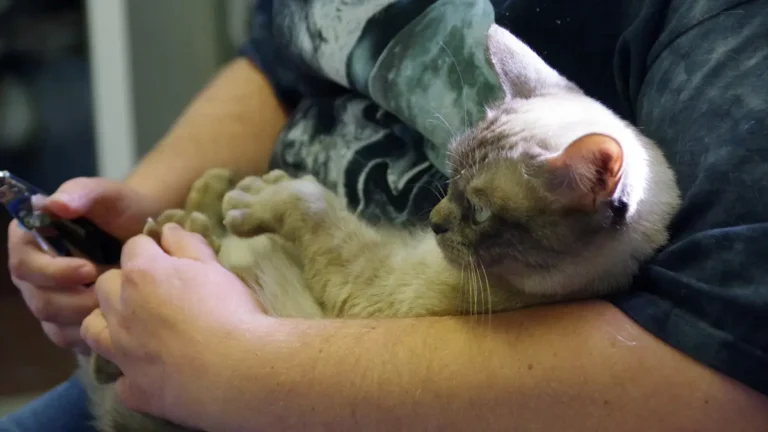
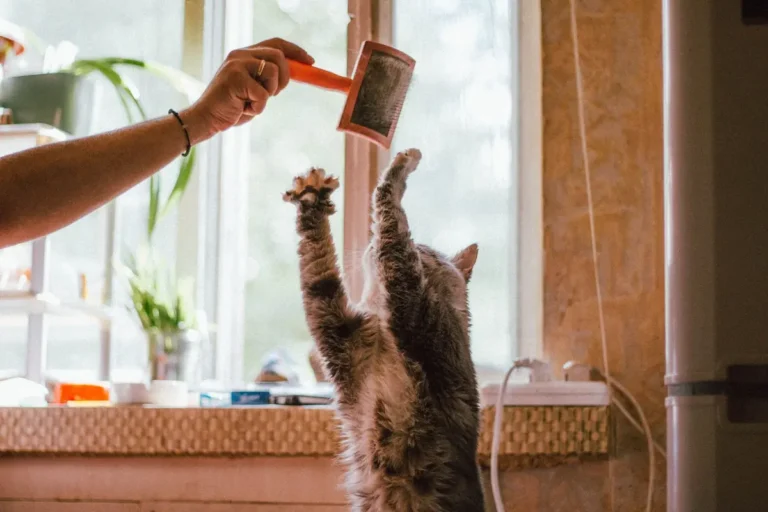
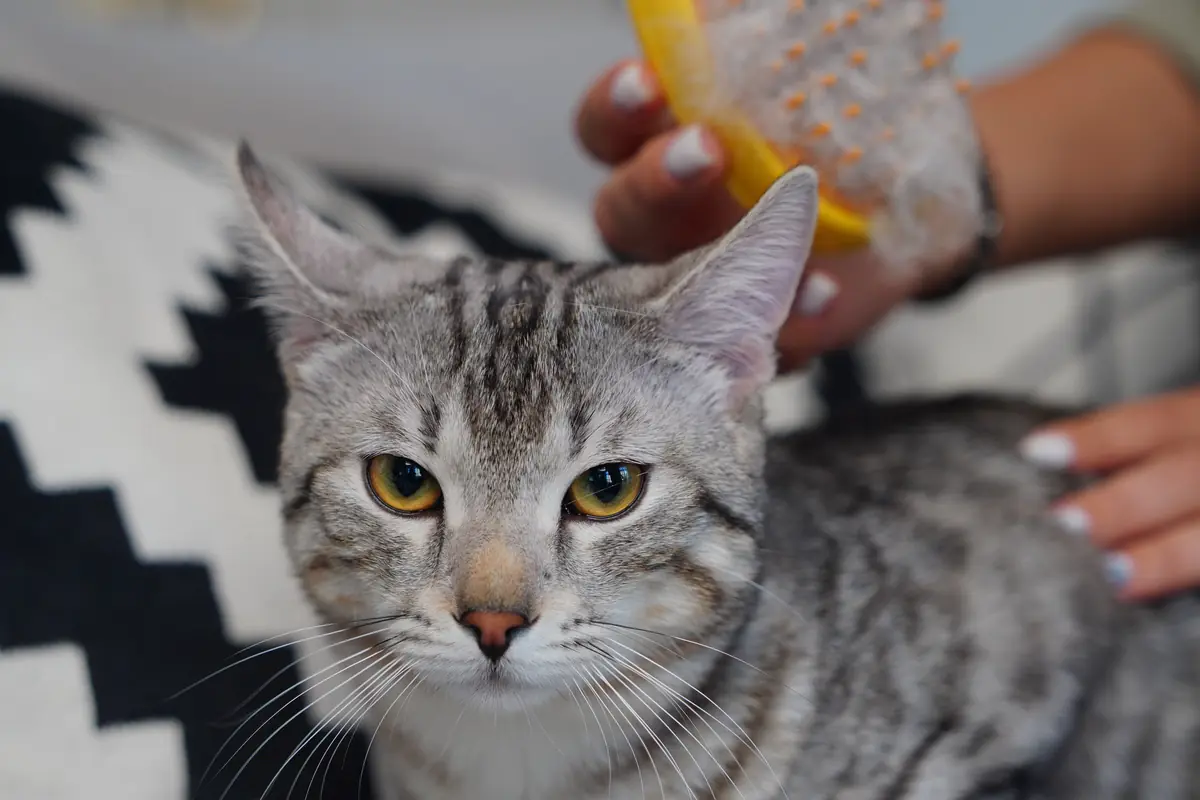
Use a soft brush or comb suited to your cat’s coat. Start with a short session and stop if the skin ripples sharply, your cat turns to bite, cries, tries to escape or seems painful. Brushing can remove loose flakes and distribute natural oils, but it cannot cure parasites or infection.
Cats with long coats may need more frequent grooming, while many short-haired cats do well with a weekly check. Our basic cat care guide for new owners covers grooming alongside routine health monitoring, nutrition and preventive care.
3. Keep parasite prevention current
Ask your veterinarian which flea product is appropriate where you live; parasite risks and available products differ across the US, UK, Canada and Australia. Treating only one pet may not solve a household infestation. Wash bedding and vacuum resting areas if your vet suspects fleas.
4. Review food and water routines
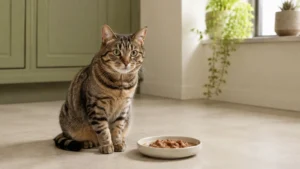
Check that your cat’s main food is labelled “complete” for the correct life stage. Keep clean water in an accessible place and wash the bowl regularly. If your cat suddenly drinks much more or less than usual, tell your veterinarian instead of assuming the coat simply needs more moisture.
5. Consider the room humidity
If the air is noticeably dry and your cat has only mild flakes, a clean cool-mist humidifier may help. Follow the manufacturer’s cleaning instructions so the unit does not spread mould or bacteria. Do not add essential oils or fragrance to it.
6. Keep a simple symptom log
Record when you first noticed the flakes, where they occur, whether your cat is itchy and any changes in grooming, appetite, weight, water intake or litter-box habits. Note any new food, bedding, cleaning product or animal in the home.
What Not to Do for Cat Dandruff
The bathroom cabinet is not a feline pharmacy. Avoid these common mistakes:
- Do not use human dandruff shampoo. Human products are made for a different skin pH and may contain ingredients unsuitable for cats.
- Do not apply essential oils, fragranced lotions or homemade mixtures. Cats groom products from their coat, so “natural” does not automatically mean safe.
- Do not bathe repeatedly. Frequent washing can strip oils and worsen dryness, and the stress may outweigh any benefit.
- Do not start supplements blindly. The right product and amount depend on the cat’s diet and health.
- Do not use dog parasite treatments on a cat. Ask your vet for a cat-specific product.
- Do not assume an indoor cat cannot get fleas. Fleas can enter homes on other pets, clothing or visiting animals.
When to Contact a Veterinarian
Arrange a veterinary appointment if the dandruff is heavy, spreading, recurring or not improving, even if your cat seems comfortable. Contact the clinic sooner if you notice:
- Persistent scratching, chewing or overgrooming
- Red, hot, swollen, bleeding, wet or foul-smelling skin
- Scabs, sores, bald patches or broken hairs
- A greasy, matted or rapidly deteriorating coat
- Pain, stiffness, limping or difficulty jumping
- Visible parasites or black flea dirt
- Weight loss or gain without an obvious explanation
- Changes in appetite, thirst, urination, stools, energy or behaviour
- Flaking in a kitten, a senior cat or a cat with a chronic illness
- Similar skin lesions developing in another pet or a person
Seek urgent veterinary help if your cat has facial swelling, trouble breathing, collapses, seems severely weak or may have contacted a toxic product.
A veterinary skin work-up may include a flea-comb examination, skin scraping, hair sampling, fungal testing or blood and urine tests. The goal is not simply to remove flakes—it is to identify what is making them appear.
Frequently Asked Questions
Why does my cat have dandruff on its back but no itching?
A few occasional flakes can reflect normal skin shedding, dry weather or missed grooming. Large amounts, repeated flaking or dandruff combined with redness, hair loss, grease or behaviour changes should be assessed by a veterinarian.
How do I get rid of dandruff on my cat’s back?
Start with gentle brushing, a complete diet, clean water and a check for skin irritation or flea debris. Because treatment depends on the cause, persistent dandruff needs a veterinary examination. Avoid human shampoo, essential oils and unapproved supplements.
How can I tell cat dandruff from flea dirt?
Dandruff is usually white or pale grey and looks like irregular skin flakes. Flea dirt is typically dark brown or black and resembles pepper. If you find dark debris, collect a sample with a flea comb and ask your vet about safe parasite control.
Why does my cat have dandruff near the base of the tail?
The tail base is difficult for stiff or overweight cats to groom and is also a common location for flea irritation. Check for black debris, itching, scabs, thinning fur and discomfort. A vet can distinguish grooming buildup from parasites, allergy or infection.
A Healthier Coat Starts With the Cause
So, why does my cat have dandruff on its back? Sometimes the answer is as manageable as dry air or a missed patch during grooming. In other cats, the flakes are an early clue to fleas, pain, allergy, infection or a wider health change.
Look at the whole cat, not just the coat. Gentle grooming, current preventive care, balanced nutrition and careful observation give you useful information without risking unsafe home treatment. If the flakes persist or your cat seems itchy, sore or different, let your veterinarian take the next look.
Have you noticed flakes in one particular spot or only during certain seasons? Share what you have observed in the comments—those small details often help other cat parents know what to watch for.
Veterinary disclaimer: This article provides general educational information and does not replace advice, diagnosis, or treatment from a licensed veterinarian.