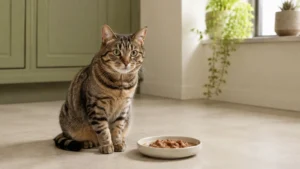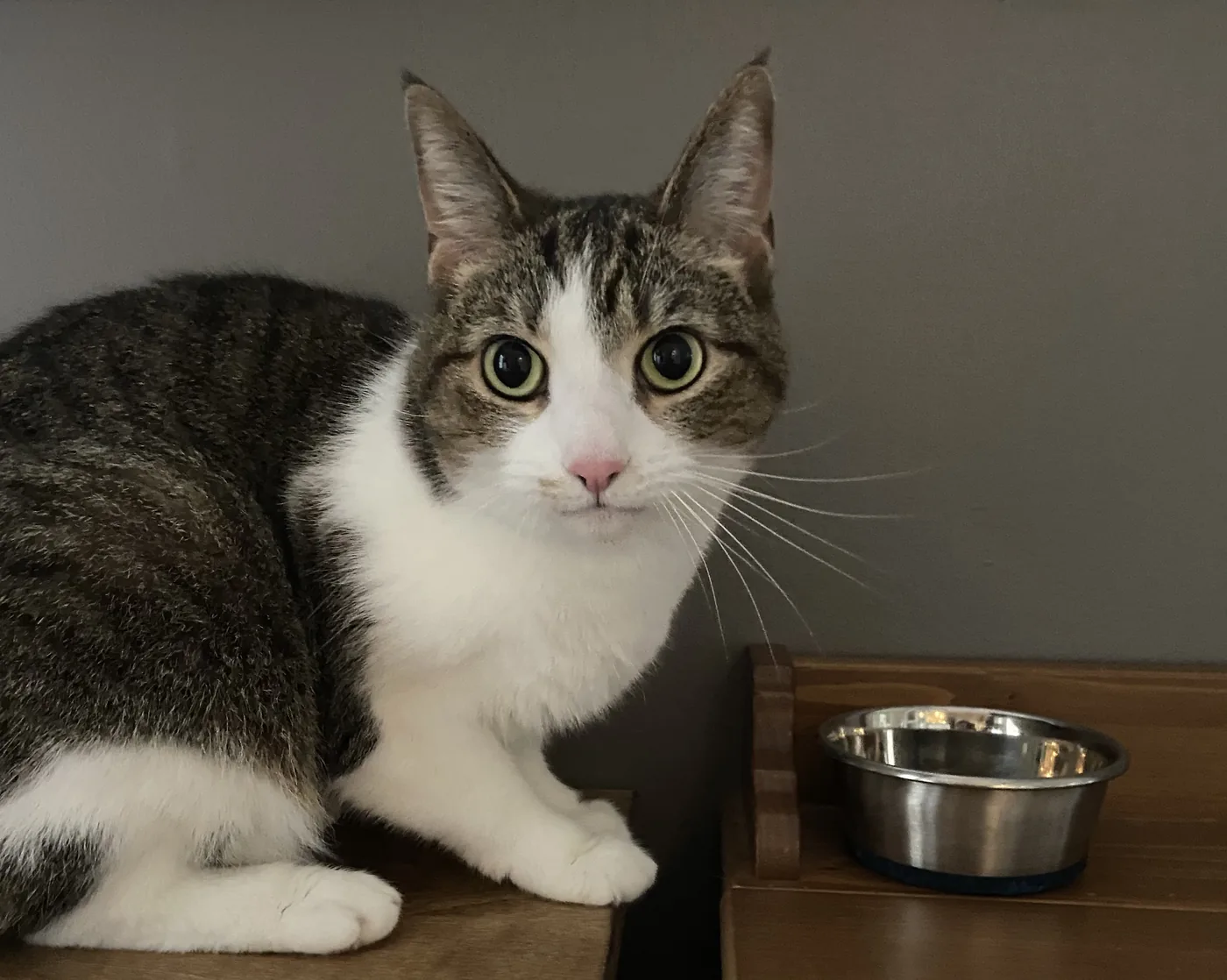

Your cat finishes dinner and strolls away. The bowl looks almost clean—just a faint ring of gravy, a few crumbs, or clear water—so it is tempting to top it up and deal with it later. But a bowl does not need to look dirty to need washing.
How often should you wash cat bowls? Wash a wet-food bowl after every meal. Clean a dry-food bowl and water bowl at least once a day. Use warm water and dish soap, scrub every surface, rinse thoroughly, and let the bowl dry before refilling it. That schedule follows the current CDC guidance for pet bowls.
The routine is simple, but a few details matter: wet food should not sit in a used dish, a quick rinse does not remove greasy residue, and a water bowl can develop a slippery film even when the water still looks clear. Here is a practical system that takes little time and is easy to keep up.
QUICK NAVIGATION In This Article
The Cat Bowl Cleaning Schedule at a Glance
| Bowl or feeding item | Minimum routine | Clean sooner when… |
|---|---|---|
| Wet-food bowl | After every meal | Food has dried on, the room is warm, or flies have reached it |
| Dry-food bowl | Daily | The bowl looks oily, damp, dusty, or has wet-food residue |
| Water bowl | Daily; empty and refill with fresh water | The water contains food, hair, dust, litter, or feels slippery |
| Food scoop or measuring cup | After each use | It becomes greasy, damp, or touches a dirty bowl |
| Feeding mat | Wipe spills promptly and wash regularly | It holds crumbs, moisture, odor, or visible residue |
| Cat water fountain | Follow the manufacturer’s full cleaning schedule | Flow slows, slime appears, debris collects, or the filter is due |
The CDC distinguishes routine cleaning from disinfecting. For most household pet items, cleaning with soap, water, and friction is usually enough. Disinfection is an extra step for situations such as illness or a household member with a higher risk of severe infection. Follow the product label rather than improvising a disinfectant mixture.
Why a Bowl That Looks Clean May Still Need Washing
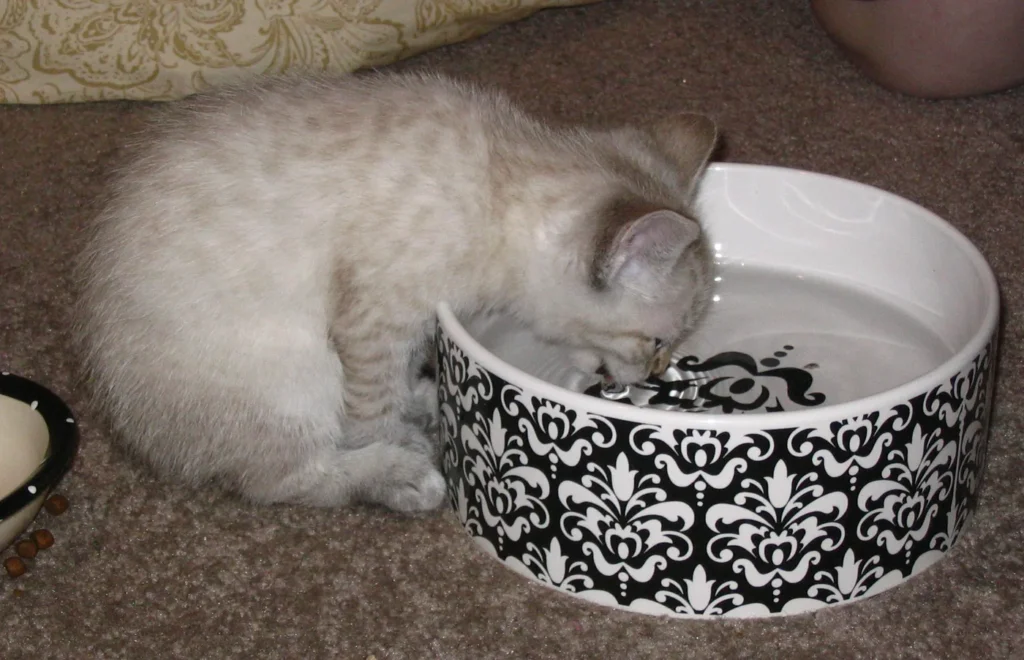
Saliva, food residue, dust, and hair can create a film on the bowl. If a water dish feels slippery, empty it and scrub with dish soap; a refill alone will not remove the film. Kibble can leave an almost invisible greasy layer too.
Pet food can also carry germs even when it looks and smells normal. The FDA’s safe pet-food handling advice recommends washing food bowls and measuring utensils with soap and hot water after each use. It also advises washing your hands before and after handling pet food and promptly refrigerating or discarding leftover canned or pouched food.
Refresh the water and wash the bowl daily, even when the water still looks clear.
How to Clean Cat Food Bowls by Hand
For an ordinary bowl, use dish soap, warm water, a clean brush or sponge, thorough rinsing, and complete drying.
1. Remove the leftovers
Discard uneaten wet food after the meal rather than leaving it for the next feeding. Follow the food label for safe serving time and storage. Put unused food that is still safe to keep in a clean, covered container; do not use the serving bowl as the storage container.
For dry food, discard stale crumbs. If your cat grazes, choose a consistent daily time to wash the bowl before adding a fresh measured portion.
If portions are difficult to judge, the MeowTips guide to mixing wet and dry cat food without overfeeding can help you plan the whole day’s calories instead of repeatedly topping up the dish.
2. Wash with soap and warm water
Scrub the inside, outside, rim, base, rubber ring, corners, and seams with dish soap and warm water. Clean a dirty scoop and feeding mat too. A quick rinse does not lift the oily layer that soap and friction remove.
3. Rinse thoroughly
Rinse until the surface no longer feels soapy and no suds remain. Cats have a strong sense of smell, so a well-rinsed bowl is more inviting than one carrying food residue or cleaner residue.
4. Dry before refilling
Air-dry the bowl on a clean rack or use a clean towel. Keep two or three bowls in rotation so one can dry while another is in use.
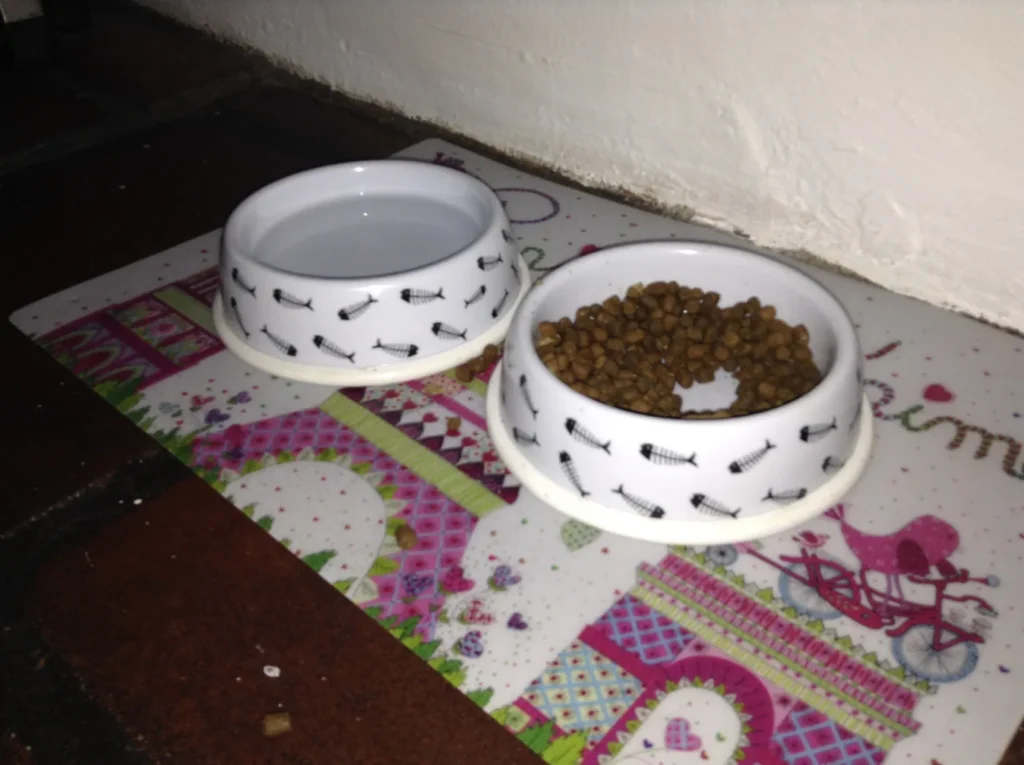
Separate food and water dishes are easier to empty, wash, dry, and refill on their own schedules.
Can Cat Bowls Go in the Dishwasher?
Yes, if the bowl is labeled dishwasher-safe. Check the manufacturer’s care instructions, remove detachable rubber bases if required, and position the bowl so water can reach every surface.
The CDC permits a normal dishwasher cycle for dishwasher-safe bowls. When disinfection is appropriate, use high heat or a sanitizing setting only if the item can tolerate it.
If a bowl is cracked, deeply scratched, chipped, crazed, rusting, or impossible to clean around a seam, replace it. Damage can hold residue and may expose material beneath the finished surface.
Stainless Steel, Ceramic, Glass, or Plastic?
Choose an intact, food-safe bowl that is easy to wash and dry. Stainless steel and glass are practical, and many are dishwasher-safe. Smooth, food-safe ceramic can work well but needs regular checks for chips and fine glaze cracks. Plastic scratches more easily, so replace it when damaged. No material stays clean by itself.
A 2023 study examining pet feeding practices and microbial contamination found that owner habits, cleaning methods, feed type, and bowl material can interact in complicated ways. The sampled bowls were from dogs, so the results should not be treated as a cat-specific material ranking. The useful takeaway is simpler: no bowl material replaces consistent washing. See the open-access study for the full methods and limitations.
A stable, wide bowl is easy to inspect. Remove and clean beneath detachable non-slip rings, where water and crumbs collect.
An intact stainless-steel bowl is durable and often dishwasher-safe, but it still needs regular washing.
What About Cat Water Fountains?
A fountain needs more than a top-up. Take it apart, wash its components, clean the pump, and service the filter exactly as the manufacturer directs. Clean sooner if flow slows or you notice debris, odor, discoloration, or slime. Keep a plain water bowl available while the fountain dries. A sudden change in drinking deserves veterinary advice.
When Cleaning and Disinfection Are Different Jobs
Routine cleaning removes food, dirt, and many germs with soap, water, and scrubbing. Disinfection uses heat or an appropriate chemical product to kill germs left on a cleaned surface. The CDC says cleaning is generally sufficient for most pet supplies, while more frequent cleaning and disinfection may be sensible when a pet is sick or when a person or animal in the home is more vulnerable to infection.
When disinfection is needed, remove visible residue first and follow the product label for concentration, contact time, rinsing, and safe handling. Keep your cat away until the bowl is ready to use, and never mix cleaning chemicals. Ask a veterinarian or healthcare professional for case-specific advice after an infection, food recall, or when someone in the home is medically vulnerable.
The AVMA’s pet-food safety guidance also recommends frequent washing of food and water bowls, scoops, and feeding mats with hot, soapy water.
Adjust the Routine for Higher-Risk Situations
Raw food
Raw pet food can carry disease-causing organisms. The CDC does not recommend feeding raw pet food or treats to dogs and cats. If you choose to handle raw food despite that advice, clean and disinfect every contacted bowl, utensil, and preparation surface after each use, and wash your hands carefully. Keep raw pet food away from human food.
A sick cat
Use separate dishes for a sick cat, clean them more often, and follow veterinary instructions. Vomiting, diarrhea, mouth pain, loss of appetite, or a sudden change in drinking needs medical attention; a clean bowl cannot diagnose or treat the cause.
Kittens, seniors, and vulnerable people
Kittens, seniors, pregnant animals, and immunocompromised pets may need extra precautions. Ask a veterinarian or healthcare professional about households that also include young children, older adults, pregnant people, or immunocompromised people.
Multi-cat homes
Give each cat a separate food bowl. This makes portions easier to track, reduces crowding, and lets you notice when one cat eats less. Wash shared water bowls daily and sooner when several cats add food particles or hair to the water.
For a broader setup checklist covering feeding, water, litter, grooming, and preventive care, see MeowTips’ beginner cat-care guide.
Extra bowls make it easier to serve each meal in a clean, fully dry dish.
Common Cat Bowl Cleaning Mistakes
Topping up without emptying
Adding fresh water or kibble on top of old contents leaves residue at the bottom. Empty, wash, dry, and then refill.
Washing only the inside
Food splashes onto the rim and outside, while moisture collects under the base. Scrub the entire bowl and the surface beneath it.
Ignoring the scoop and mat
A greasy scoop can transfer residue into fresh food. A damp mat can hold crumbs and odor. Include both in the feeding-station routine.
Keeping damaged bowls
Deep scratches, chips, cracks, and loose seams are difficult to clean well. Replace damaged dishes rather than reserving them for “one more week.”
Leaving wet food out too long
Serve an appropriate portion, remove leftovers promptly, and follow the label’s refrigeration directions. Before choosing a food, learn how to read cat food labels so you can check its feeding role, calories, and storage instructions.
A Two-Minute Routine That Is Easy to Maintain
Keep enough bowls for a full day of meals. After feeding, discard leftovers and set out a clean dish. Each evening, wash the dry-food bowl, water bowl, scoop, and dirty parts of the mat. The rule stays easy: wet food means after the meal; dry food and water mean daily; visible grime means now.
Frequently Asked Questions
Should I wash my cat’s food bowl after every meal?
Wash wet-food bowls after every meal. The CDC recommends cleaning dry-food bowls daily, while the FDA advises washing pet-food bowls and measuring utensils after each use. If you feed dry food in separate meals, washing after each meal is the more cautious and easy-to-remember approach.
How often should I clean my cat’s water bowl?
Clean it at least once a day, then refill it with fresh water. Wash sooner if the bowl feels slippery or contains food, hair, dust, insects, or litter. Do not simply pour fresh water on top of the old water.
Is regular dish soap safe for cat bowls?
For routine cleaning, use dish soap and warm water, then rinse thoroughly until no suds or residue remain. Follow the bowl manufacturer’s instructions. If your cat avoids a freshly washed bowl, rinse it again and check for lingering odor or damage.
Can I wash cat bowls with human dishes?
The CDC says cat and dog supplies can be washed in a kitchen sink, bathtub, or dishwasher. If you use the kitchen sink, clean and disinfect the sink and surrounding area afterward. Use extra separation and care when handling raw food, illness, or high-risk household members.
Why is my cat’s water bowl slimy?
A slippery coating is a surface film built from moisture and organic material. Empty the bowl and scrub every surface with dish soap and warm water. If the bowl remains rough, scratched, cracked, or difficult to clean, replace it.
How many bowls should one cat have?
At minimum, keep separate dishes for food and water. Having two or three food bowls makes it easier to offer every meal in a clean, dry dish while used bowls wait for washing. Multiple cats should have individual food bowls so you can monitor intake and reduce competition.
Make the Clean Bowl the Default
You do not need to sterilize every dish after an ordinary meal. You do need a consistent schedule: wash wet-food bowls after every use, clean dry-food and water bowls daily, and deal with spills or slime as soon as you see them.
Keep spare bowls in rotation, wash the scoop and mat, inspect dishes for damage, and follow special veterinary or public-health advice when illness or raw food raises the stakes. Once the routine becomes automatic, your cat gets a clean place to eat and drink without adding much work to your day.
Care note: This article provides general hygiene information and does not replace veterinary or medical advice. Contact a veterinarian if your cat has appetite changes, vomiting, diarrhea, mouth pain, unusual thirst, weakness, or other signs of illness.
References